Redmi Note 15 Pro 4G
Great Battery, Real Compromises
A stunning 200MP camera, a massive 6,500mAh battery, and a bright 120Hz AMOLED — but a dated chipset and no 5G keep this phone from reaching its full potential.

Full Specifications at a Glance
Design & Build Quality

The Redmi Note 15 Pro 4G arrives in a sturdy two-piece cardboard box finished in red and white — eye-catching and eco-friendly at the same time, with no plastic filling inside. The accessory package is genuinely generous by today's standards: you get a soft gray TPU case, a USB-A to USB-C cable, and a 45W fast charger included (note: EU markets do not receive the charger due to regional regulations).
The phone itself feels well-constructed. The Gorilla Glass Victus 2 on the front offers solid scratch resistance, while the plastic back keeps the weight at a comfortable 195g. The IP65 rating protects against dust and low-pressure water jets — not the full IP68 submersion resistance of the 5G sibling, but still practical for everyday splashes and rain.
Display — Bright, Smooth & Vivid
The display is one of the strongest arguments for buying this phone. The 6.77-inch AMOLED panel runs at 120Hz, hits a stunning 3,200 nits of peak brightness, and supports 68 billion colors — making everything from outdoor photography to Netflix sessions look genuinely impressive. The 3840Hz PWM dimming is a thoughtful addition for eye-comfort during low-brightness use.
There are trade-offs compared to the 5G model: the resolution is slightly lower, the diagonal is a bit smaller, and there's no HDR support. But taken on its own terms, this is an excellent screen for its price bracket — punchy, responsive, and comfortable to look at for extended periods.
Performance — The Weak Link
Here's where the Redmi Note 15 Pro 4G stumbles. The MediaTek Helio G200 Ultra is a 6nm chipset that frankly felt like it belonged to the previous generation even at launch. Day-to-day tasks — scrolling, messaging, light app use — are handled adequately, and HyperOS 2 does a commendable job of keeping animations fluid. But push it further and the cracks show quickly.
Gaming is limited to lighter titles. More demanding games will see frame-rate drops and thermal throttling after sustained play. Perhaps the most glaring limitation is the chipset's inability to record video beyond 1080p — in 2026, the absence of 4K video recording is a significant drawback, especially on a phone marketed with a 200MP camera.
"The Helio G200 Ultra already felt dated at launch — and with several months now behind us, that gap has only grown wider. Performance is adequate for casual use, but it holds back what could otherwise be a genuinely great phone."
Camera — A 200MP Star with Limitations
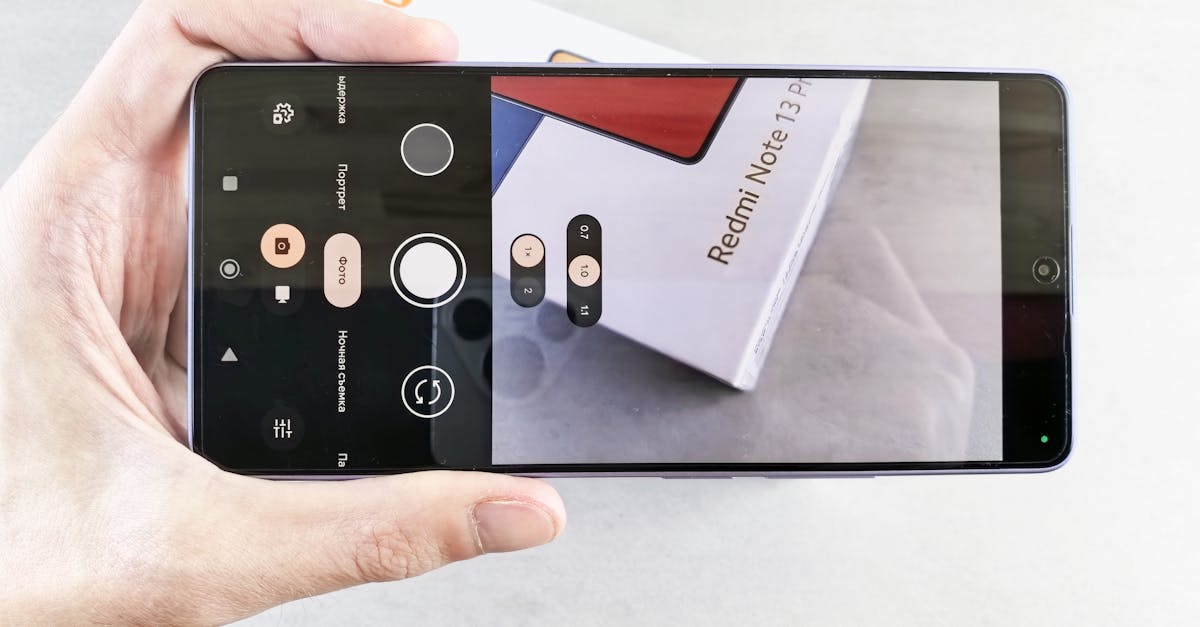
On paper, the camera setup looks extraordinary. The 200MP f/1.7 main sensor — complete with OIS and multi-directional PDAF — is the clear headliner. In real-world use, daytime shots are sharp, detailed, and richly colored. The warmer, natural tone Xiaomi has tuned into the processing suits most subjects well, and the dynamic range holds up admirably in challenging mixed-light scenes.
Zoom performance is usable up to around 5x, though fine details soften noticeably beyond that point. Night mode produces solid results without the aggressive overexposure that plagues some rivals. The 8MP ultra-wide is a more modest secondary lens — fine for casual wide shots, but lacking autofocus and detail retention. The 32MP selfie camera delivers flattering portraits with natural-looking skin tones and a capable bokeh mode.
The hard limit? Video is capped at 1080p due to chipset constraints. For a phone boasting a 200MP sensor, the inability to shoot 4K is a frustrating oversight that will matter to content creators.
- 200MP f/1.7 main sensor with OIS — excellent daylight & night detail
- Natural, warm color science — less processed than many competitors
- 32MP selfie with natural portrait mode and accurate edge detection
- Video capped at 1080p max — no 4K due to chipset limitations
- Ultra-wide 8MP lacks autofocus — limited to casual wide-angle shots
Battery — The Strongest Argument to Buy

If you need a phone that simply refuses to die, this is your device. The 6,500mAh silicon-carbon battery is the real headline here. In real-world testing, moderate users consistently achieved two full days on a single charge. Even heavy users rarely needed to reach for a charger before bedtime. Screen-on time of 7–8 hours per day is easily achievable.
Charging via the included 45W adapter takes the phone from empty to full in approximately 1.5 hours — reaching around 50% in just 30 minutes. While not the blazing 100W speeds seen on pricier Xiaomi phones, it's still a respectable pace. 18W reverse wired charging is a handy bonus that lets you use the phone as a power bank for other devices.
Software — HyperOS 2 Has a Bloatware Problem
The Redmi Note 15 Pro 4G ships with Android 15 wrapped in Xiaomi's HyperOS 2 — and the experience is genuinely split down the middle. When it works well, HyperOS 2 is fluid, visually polished, and packed with customization options. You can personalize everything from notification animations to the fingerprint unlock effect. The Xiaomi ecosystem integration is seamless if you own other Xiaomi or Redmi devices.
The downside is harder to ignore: the software ships with a noticeable amount of pre-installed bloatware, and some of Xiaomi's own apps display intrusive promotional notifications. The theming system is also inconsistent — Material You icon theming doesn't apply to all of Xiaomi's own apps, creating a cluttered visual experience. Xiaomi commits to 4 major OS upgrades and 5 years of security patches, which is a solid long-term promise.
- Fluid, responsive UI with bouncy animations and quality haptic feedback
- 4 major Android upgrades + 5 years of security patches guaranteed
- Deep customization: lock screen, icons, animations, fingerprint effects
- Significant bloatware pre-installed — some apps send unwanted ads
- Inconsistent theming — Material You icons don't apply to all system apps
Pros & Cons
- ✓Outstanding 6,500mAh battery — easily 2 days
- ✓Bright 120Hz AMOLED with Gorilla Glass Victus 2
- ✓200MP main camera with OIS — great stills
- ✓microSD card slot for storage expansion
- ✓Stereo speakers + Dolby Atmos
- ✓NFC + IR blaster included
- ✓45W charger included in the box
- ✓4 OS upgrades + 5 years security patches
- ✗No 5G — a big miss in 2026
- ✗Helio G200 Ultra — weak, dated chipset
- ✗Video capped at 1080p — no 4K
- ✗IP65 only — not fully waterproof
- ✗Heavy bloatware and intrusive ads in OS
- ✗No HDR display support
- ✗Ultra-wide camera lacks autofocus
Pricing & Availability
📍 Starting at approximately €230 in Europe. Available on Amazon and Xiaomi's official store.
⚖️ Final Verdict — Who Should Buy This Phone?
The Redmi Note 15 Pro 4G is a phone of genuine contrasts. Its battery life is
class-leading, its display is excellent, and the 200MP camera delivers impressive
stills — all wrapped in a sturdy body at a competitive price. But the Helio G200
Ultra chipset drags everything down: no 4K video, limited gaming, and no 5G
connectivity in an era where competitors at the same price offer all three.
Buy it if battery endurance and expandable storage are your
top priorities, and you're not a content creator or gamer.
Look elsewhere if you need 5G, 4K video, or faster performance —
the market at this price point has never been more competitive.