📌 Key Takeaways (Pro-Tech Analysis)
- Camera Showdown: The Pixel 11 Pro leads in low-light computational photography and HDR consistency, while the iPhone 17 Pro remains undisputed in ProRes 4K video recording.
- Display Efficiency: Both devices feature 1-120Hz LTPO OLED panels with 3,000+ nits peak brightness, but Apple's anti-reflective glass treatment offers superior outdoor readability.
- On-Device AI: Google's Tensor architecture delivers faster offline generative photo editing, whereas Apple Intelligence focuses on seamless system-wide productivity automation.
The high-end smartphone arena in 2026 is defined by two dominant philosophies: Apple’s vertically integrated hardware precision versus Google’s software-first computational AI engine. With the launch of the Apple iPhone 17 Pro and the Google Pixel 11 Pro, buyers looking for the ultimate flagship experience face a tougher choice than ever.
In this comprehensive comparative review, the Pro-Tech editorial team breaks down real-world differences across display quality, camera optics, processor performance, and long-term software value to help you decide which device deserves your money.
1. Full Specifications Comparison Table
Before diving into real-world usability, let’s examine how the specifications stack up side-by-side across key hardware categories:
| Feature / Metric | Apple iPhone 17 Pro | Google Pixel 11 Pro | Pro-Tech Winner |
|---|---|---|---|
| Display Technology | 6.3" LTPO Super Retina XDR, 3,000 nits | 6.3" LTPO Super Actua OLED, 3,200 nits | Tie (Both Exceptional) |
| Main Processor | Apple A19 Pro (3nm architecture) | Google Tensor G5 (Custom AI NPU) | iPhone 17 Pro (Raw CPU/GPU) |
| Primary Camera System | 48MP Main + 48MP Ultra-Wide + 12MP 5x Telephoto | 50MP Main + 48MP Ultra-Wide + 48MP 5x Telephoto | Pixel 11 Pro (Still Photos) |
| Video Recording | 4K@120fps ProRes, Cinematic Dolby Vision | 8K@30fps, Video Boost AI HDR | iPhone 17 Pro (Video Quality) |
| Software Support | 5–6 Years OS & Security Updates | 7 Years OS & Feature Drops | Pixel 11 Pro (7 Years Guaranteed) |
2. Camera Performance & Computational Photography
For most flagship smartphone buyers, camera capabilities are the single most decisive factor. In 2026, the battle between Apple and Google has shifted from sensor size to real-time AI image pipeline processing.
Still Photography: In high-contrast daytime scenes, Google’s updated HDR+ algorithm on the Pixel 11 Pro consistently extracts more shadow detail while maintaining natural skin tones. Furthermore, Google’s 48MP 5x periscope telephoto sensor outperforms the iPhone’s 12MP zoom sensor when cropping beyond 10x magnification, thanks to generative Super Res Zoom.
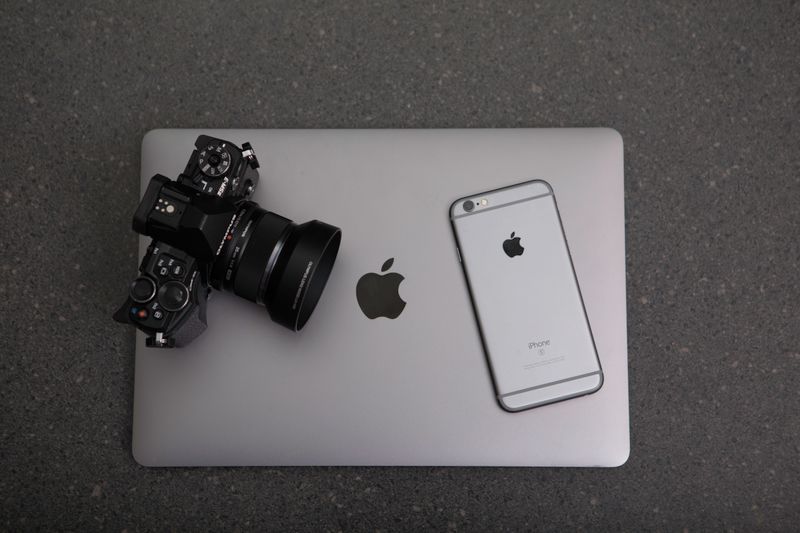
Video Recording: Despite Google’s impressive "Video Boost" cloud processing, the iPhone 17 Pro remains the undisputed king of smartphone videography. With native support for 4K at 120fps ProRes and real-time Dolby Vision color grading, Apple’s footage shows smoother stabilization, zero panning jitter, and superior audio fidelity.
3. Display & Outdoor Readability
Both flagships offer world-class 6.3-inch LTPO OLED panels with adaptive refresh rates scaling down to 1Hz for battery conservation. However, two nuanced differences stand out in daily use:
- Anti-Reflective Coating: The iPhone 17 Pro utilizes Apple's next-generation Ceramic Shield with advanced anti-reflective glass treatment, reducing harsh sunlight glare by up to 60%.
- Color Accuracy: Google’s Super Actua display on the Pixel 11 Pro offers slightly more vibrant color tuning out-of-the-box, making HDR movies and games pop with incredible depth.
4. Pros & Cons Breakdown
📱 Apple iPhone 17 Pro
✅ Strengths:
- Industry-leading A19 Pro CPU/GPU performance.
- Unrivaled 4K@120fps ProRes video stabilization.
- Superior anti-reflective screen coating.
❌ Weaknesses:
- Slightly slower wired fast charging.
- Higher cost for storage upgrades.
🤖 Google Pixel 11 Pro
✅ Strengths:
- Best-in-class still photography and HDR.
- 7 full years of guaranteed Android OS updates.
- Exclusive offline AI photo editing tools.
❌ Weaknesses:
- Tensor G5 GPU lags behind Apple in intense 3D gaming.
- Video recording quality is slightly below iPhone.
5. Pro-Tech Buyer Verdict: Which Should You Choose?
Who Should Buy the iPhone 17 Pro? Choose the Apple iPhone 17 Pro if you are a content creator who records professional 4K video, already owns other Apple ecosystem devices, or plays graphically intensive 3D mobile games.
Who Should Buy the Pixel 11 Pro? Choose the Google Pixel 11 Pro if your priority is effortless, world-class still photography, clean AI-enhanced software, and maximum longevity thanks to Google's 7-year update guarantee.
❓ Frequently Asked Questions (FAQ)
Which phone has better battery life in daily use?
In mixed daily usage, both phones comfortably deliver 7 to 8 hours of screen-on time. The iPhone 17 Pro excels slightly in standby battery conservation, while the Pixel 11 Pro charges faster with a compatible USB-PD charger.
Will iPhone accessories work with the Pixel 11 Pro?
Yes for charging and data cables, as both devices now use USB-C standards. However, MagSafe magnetic accessories require a specialized MagSafe-compatible case for the Pixel 11 Pro.